
 English

Since 2023, DXOMARK has been conducting Insights studies worldwide to better understand consumer preferences in portrait photography. Going beyond traditional performance metrics, these studies focus on how users actually perceive images: what satisfies them, what frustrates them, and what they truly expect from smartphone cameras, while also identifying the underlying technical challenges faced by the industry.
Built on a unique methodology, DXOMARK Insights combines expert analysis with structured feedback from real users. This approach enables a deep understanding of portrait rendering preferences across different user profiles, skin tones and shooting conditions.
After conducting studies in Europe, China, and India, DXOMARK has now expanded its research into a new geographic area: the Middle East. Riyadh was selected as the study location due to its position at the crossroads of continents and cultures, offering a broad diversity of skin tones. This made it an ideal environment for exploring inclusive portrait performance under a wide range of real-world conditions.
The framework of the Study
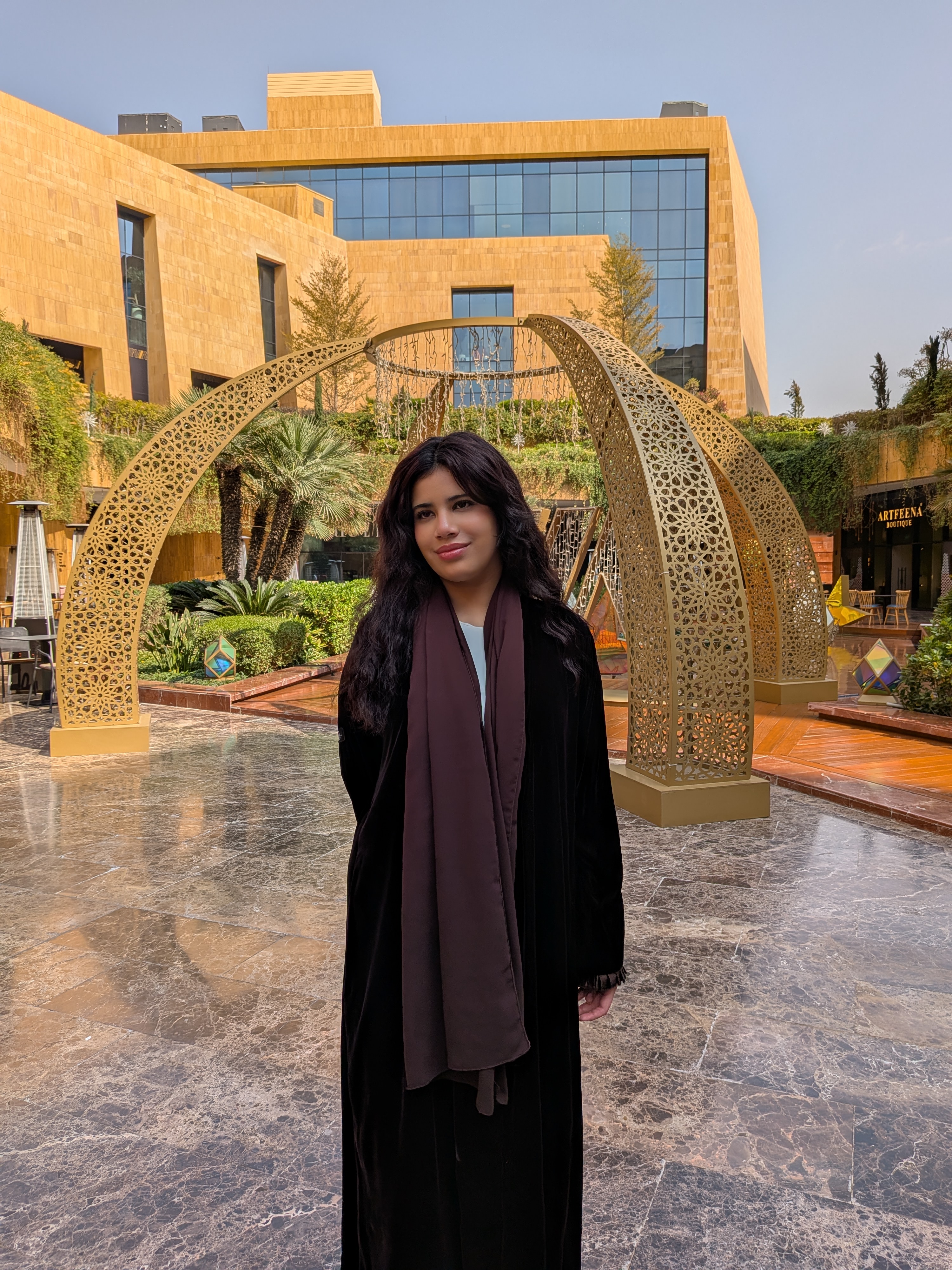
The DXOMARK Insights study was conducted in Riyadh, with a panel of 75 participants aged 18 to 45, representing a wide range of user profiles.
The evaluation covered:
-
- 90 portrait scenes, spanning outdoor, indoor, and low-light conditions
- A broad diversity of skin tones, including fair, medium, and dark
- Realistic use cases designed to reflect everyday photography scenarios
The study took a unique approach to previous studies by exploring the performance of mid-range priced smartphones, including a higher price device as well as a reference.
The devices that were included in this study were:
-
- Google Pixel 9a
- Tecno Camon 50 Ultra 5G
- Samsung Galaxy A56
- Apple iPhone 17 Pro
Key findings at a glance
According to Riyadh consumers, here are the 3 main takeaways from this study:
-
- Google Pixel 9a and Tecno Camon 50 Ultra 5G emerged as the most compelling devices for portrait overall, largely due to their ability to deliver natural skin tone renderings for a wide range of skin types
- Indoor and low-light portraits remain challenging use cases for most devices, particularly rendering darker skin tones, yet some devices demonstrate clear advantages in these conditions
- Face brightness is a critical drive of user satisfaction but balance is key: images that are too bright or too dark are consistently rejected.
Overall preferences and device ranking
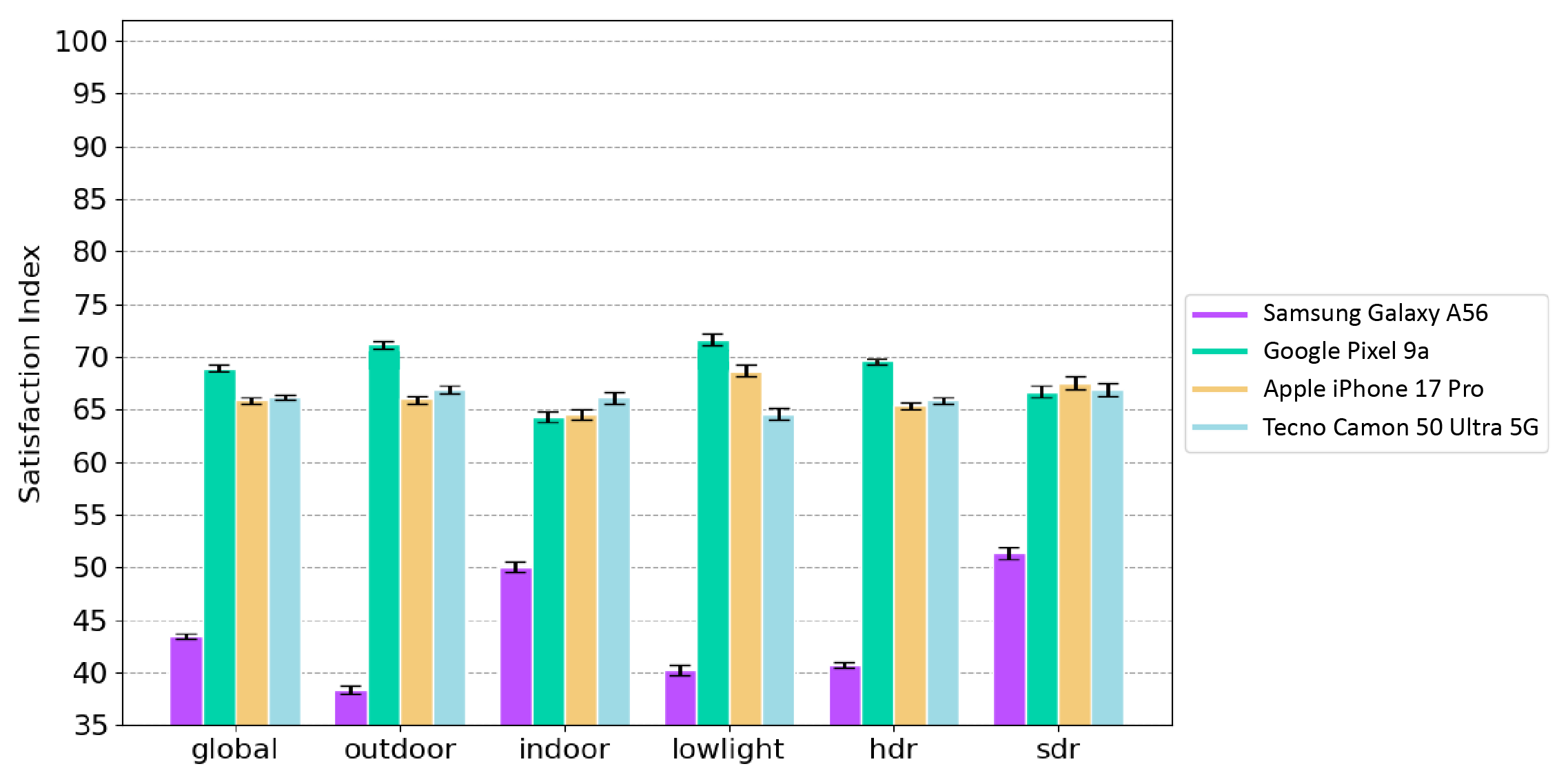
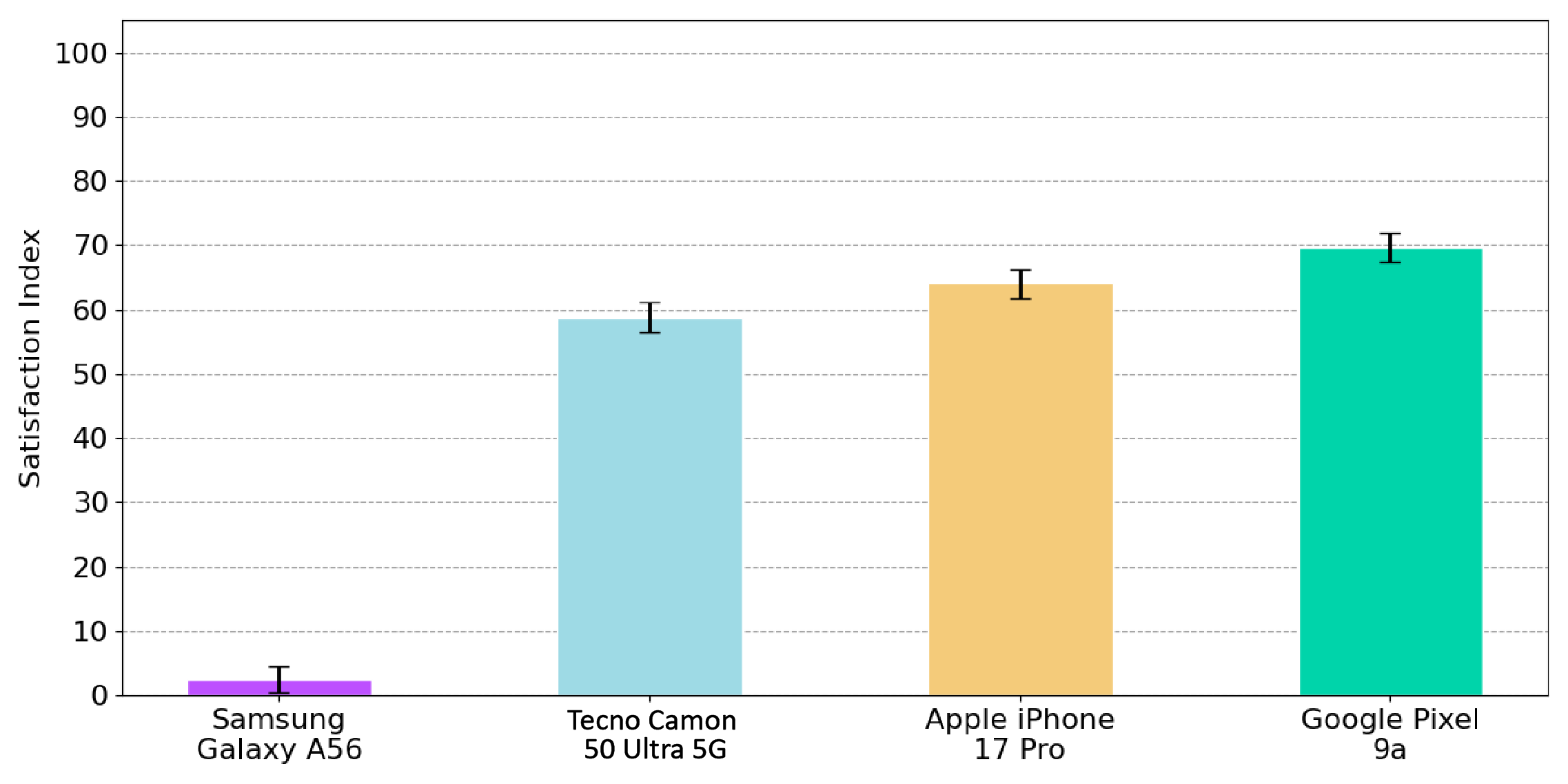
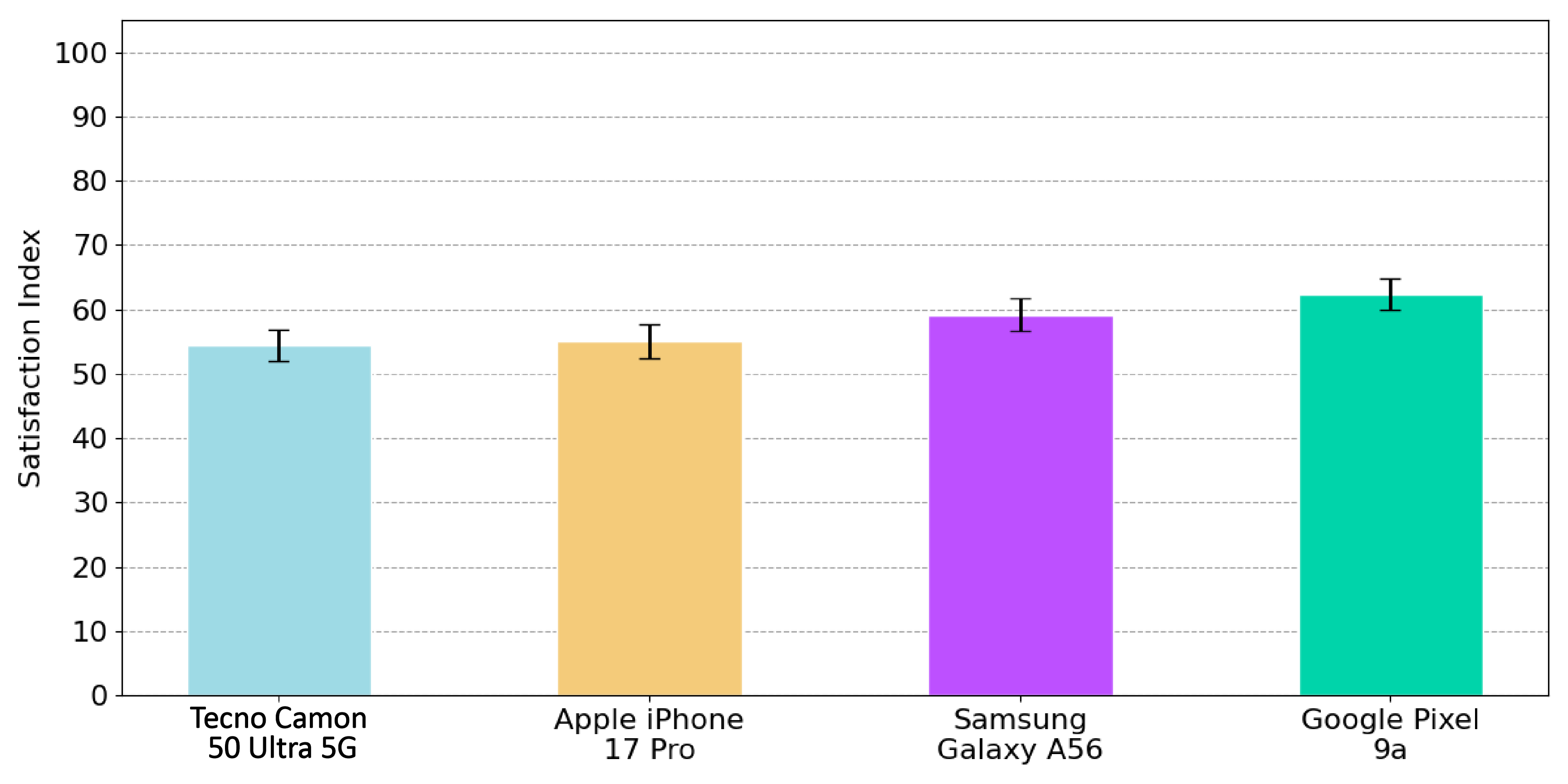
According to Middle Eastern consumers, the Google Pixel 9a is the most preferred device overall across all scenarios. It delivered generally bright images with well-balanced contrast and neutral white balance. Because it is the most balanced device, with consistent rendering across conditions and very few failure cases, the Google Pixel 9a ends up as the preferred device in this comparison.
In terms of colors, it provides neutral rendering that often outperforms the warm rendering of the iPhone 17 Pro from a user’s perspective. In addition to that, it did a very good job at rendering bright faces while preserving balanced contrast which is perceived as more pleasing than the weaker boost visible on the iPhone 17 Pro and the excess of brightness and contrast boost on the Tecno Camon 50 Ultra 5G. The Tecno Camon 50 Ultra 5G ranked second globally but stood out in specific conditions.
It delivered bright images with a globally neutral white balance and a natural skin tone rendering. It also stood out in specific conditions. Notably, in indoor portrait scenes, the Tecno Camon 50 Ultra 5G was the most preferred device, outperforming all others. However, the high brightness along with a strong global contrast sometimes led to rejection from some users.
The Samsung Galaxy A56 was the least preferred from the panel across lighting conditions. Lacking HDR support, it was perceived as producing significantly darker renderings compared to the other devices, resulting in lower overall preference.
The Apple iPhone 17 Pro, included as a reference device to compare the performance with the mid-range devices, was sometimes rated as delivering insufficient face brightness, despite maintaining a balanced contrast. In complex indoor environments, it was also perceived as producing a warmer color cast and warmer skin tones.
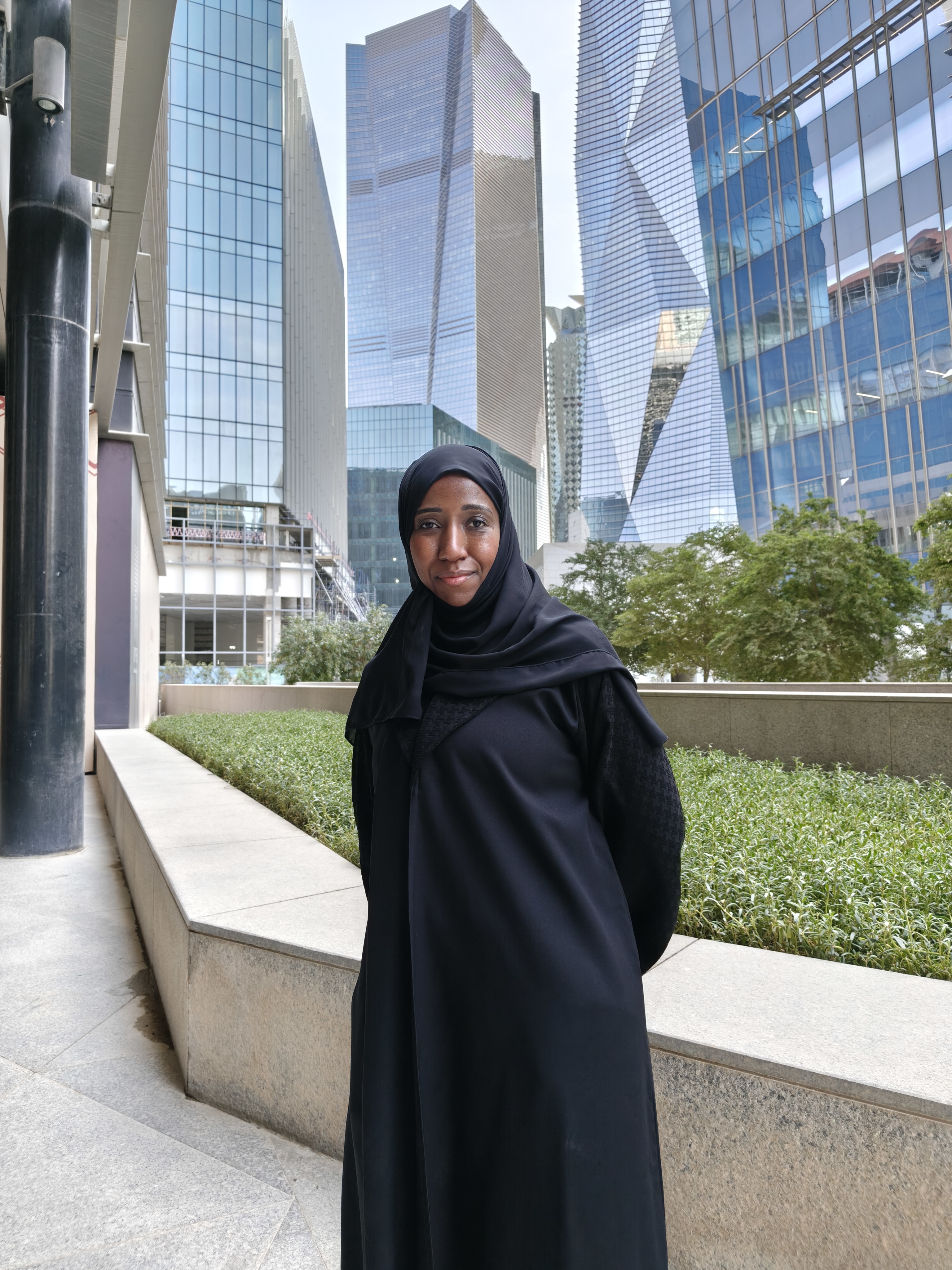
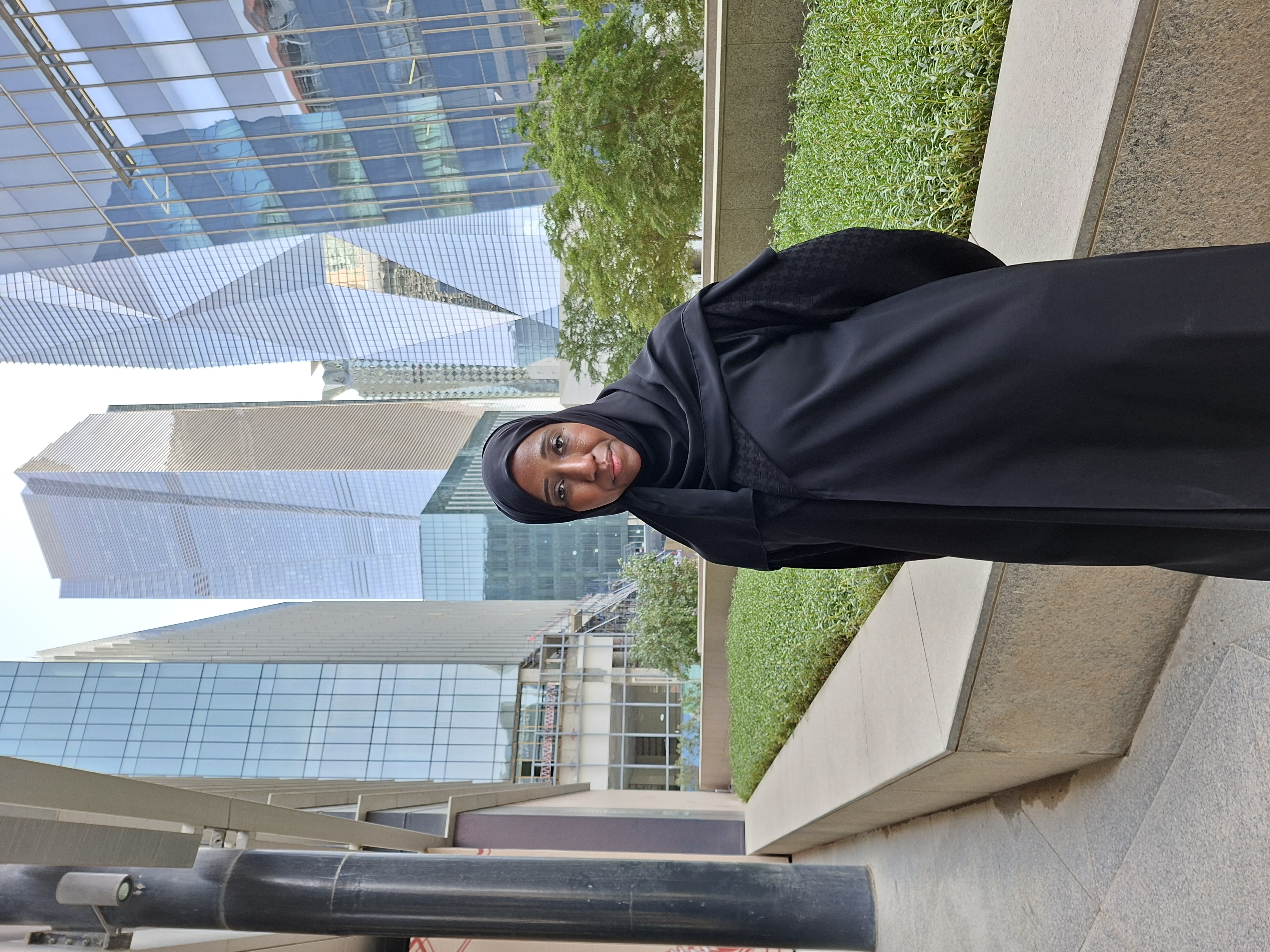
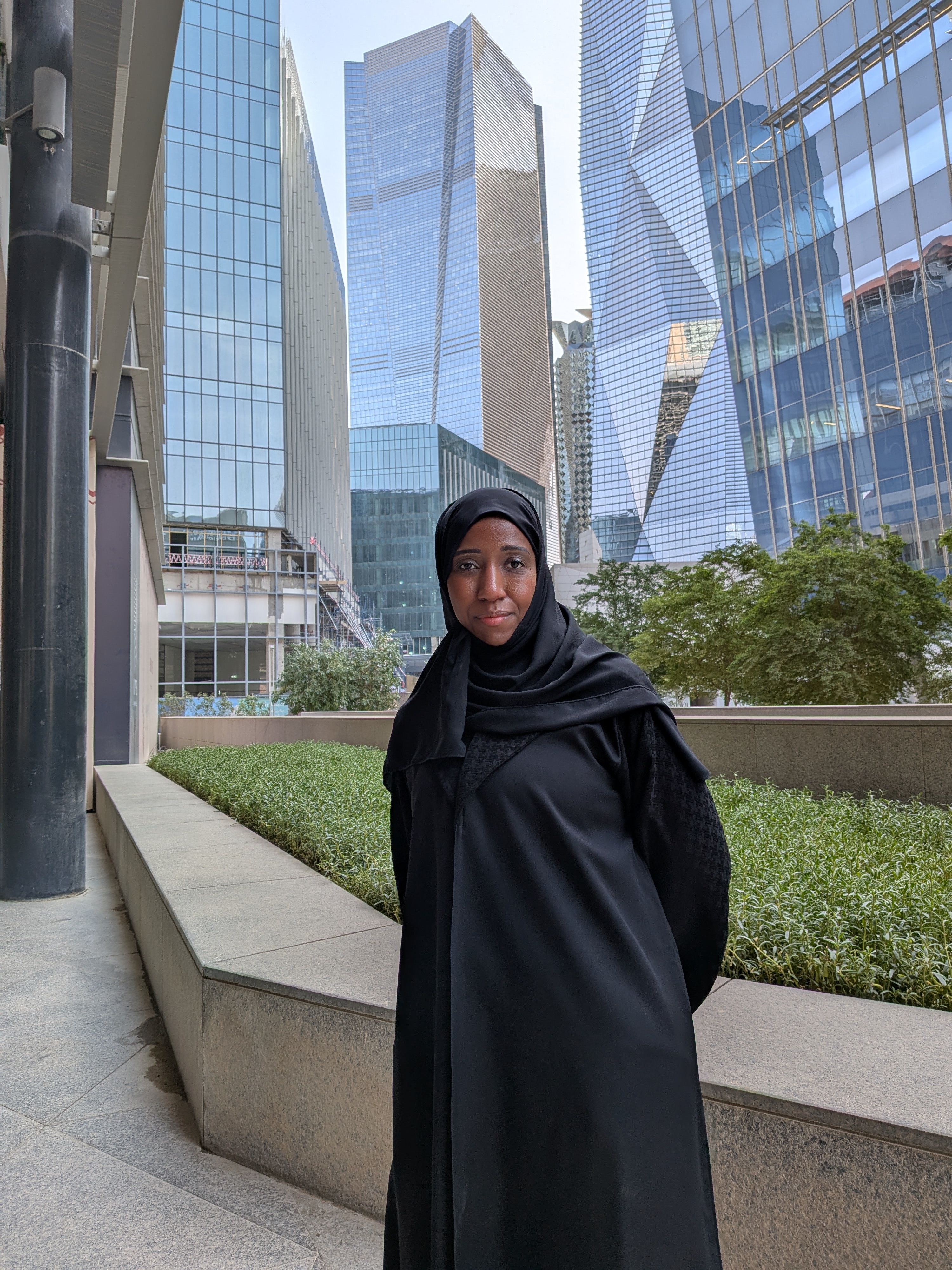

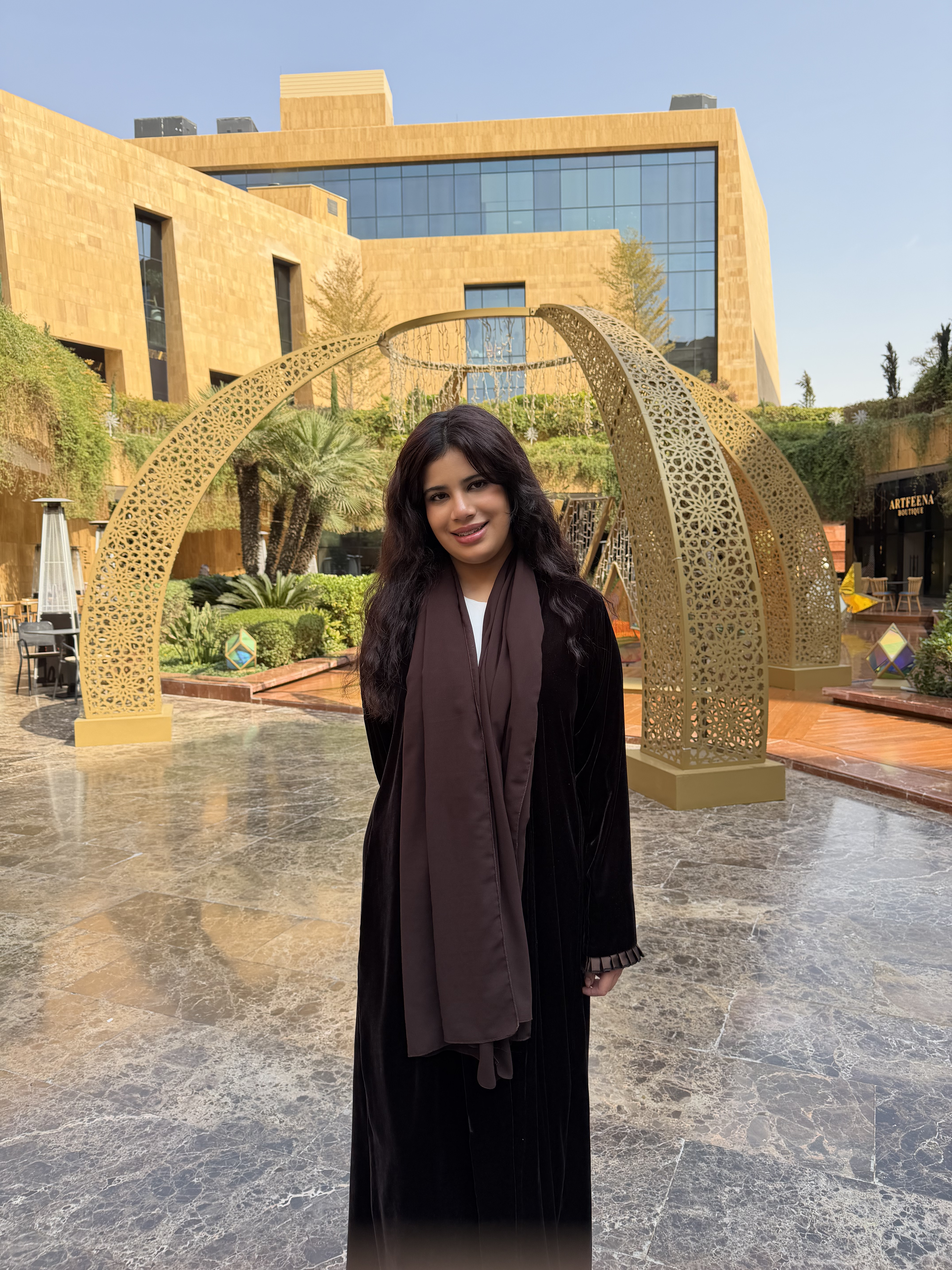

Indoor and low-light portraits: still the biggest challenge
Indoor and low-light scenarios continue to be among the most difficult environments for portrait photography. As we can observe from the overall results of the study, the overall satisfaction index is the lowest under these lighting conditions.
Due to two main factors:
First, the scenes are characterized by low illumination levels and limited light diffusion, placing strong constraints on facial brightness rendering, contrast management, and mid-tone tone mapping. Under these conditions, several devices exhibit underexposure, particularly affecting facial regions. Our insights show that face brightness needs to be high enough or the impact where accurate luminance reproduction is critical for perceived quality.
Second, the lighting environments are complex, involving multiple light sources that create mixed illumination conditions. This complexity increases the difficulty of achieving consistent color rendering and tonal balance. As a result, some devices produce renderings that appear excessively warm, contributing to lower global user satisfaction preferences.
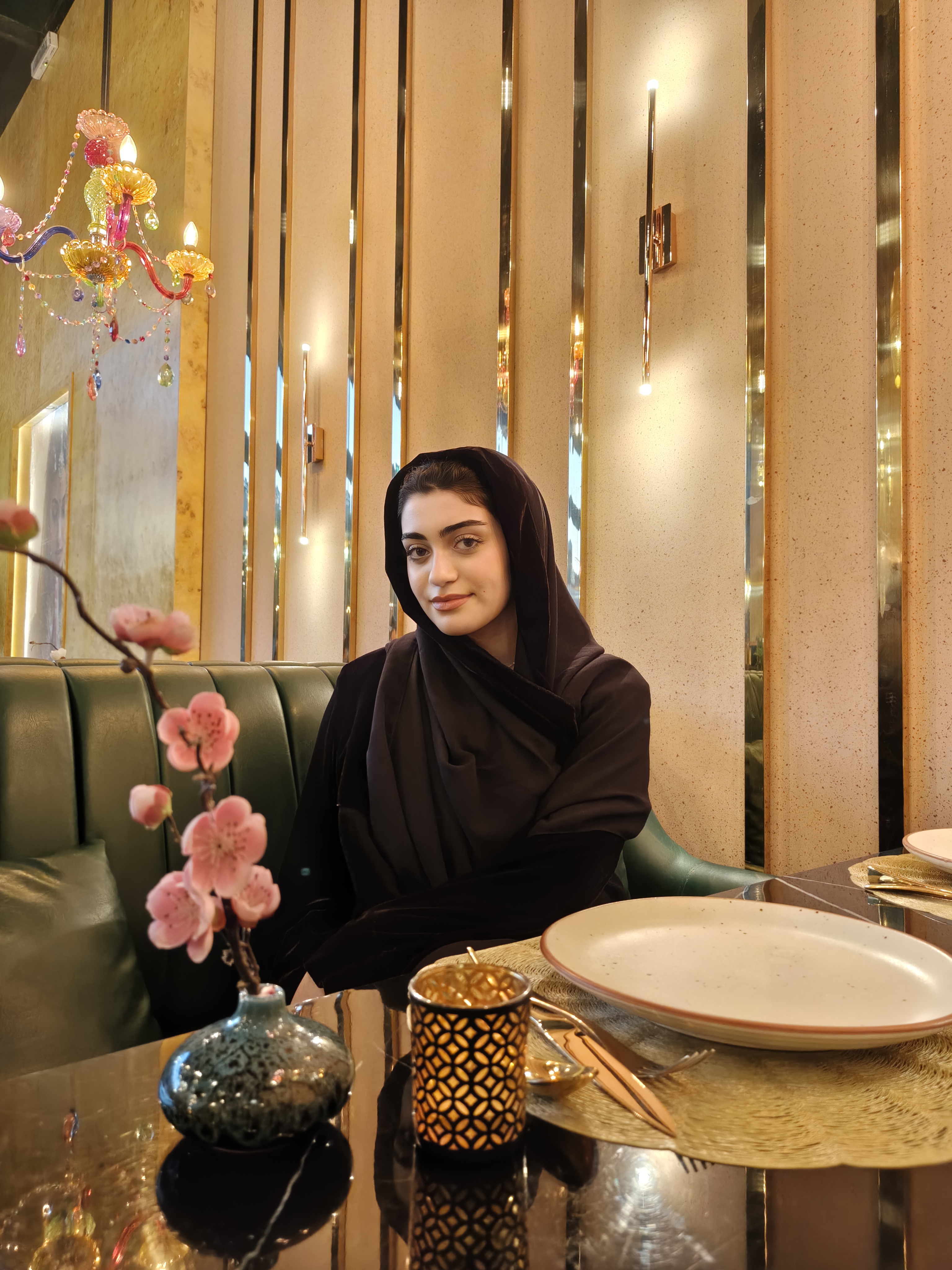
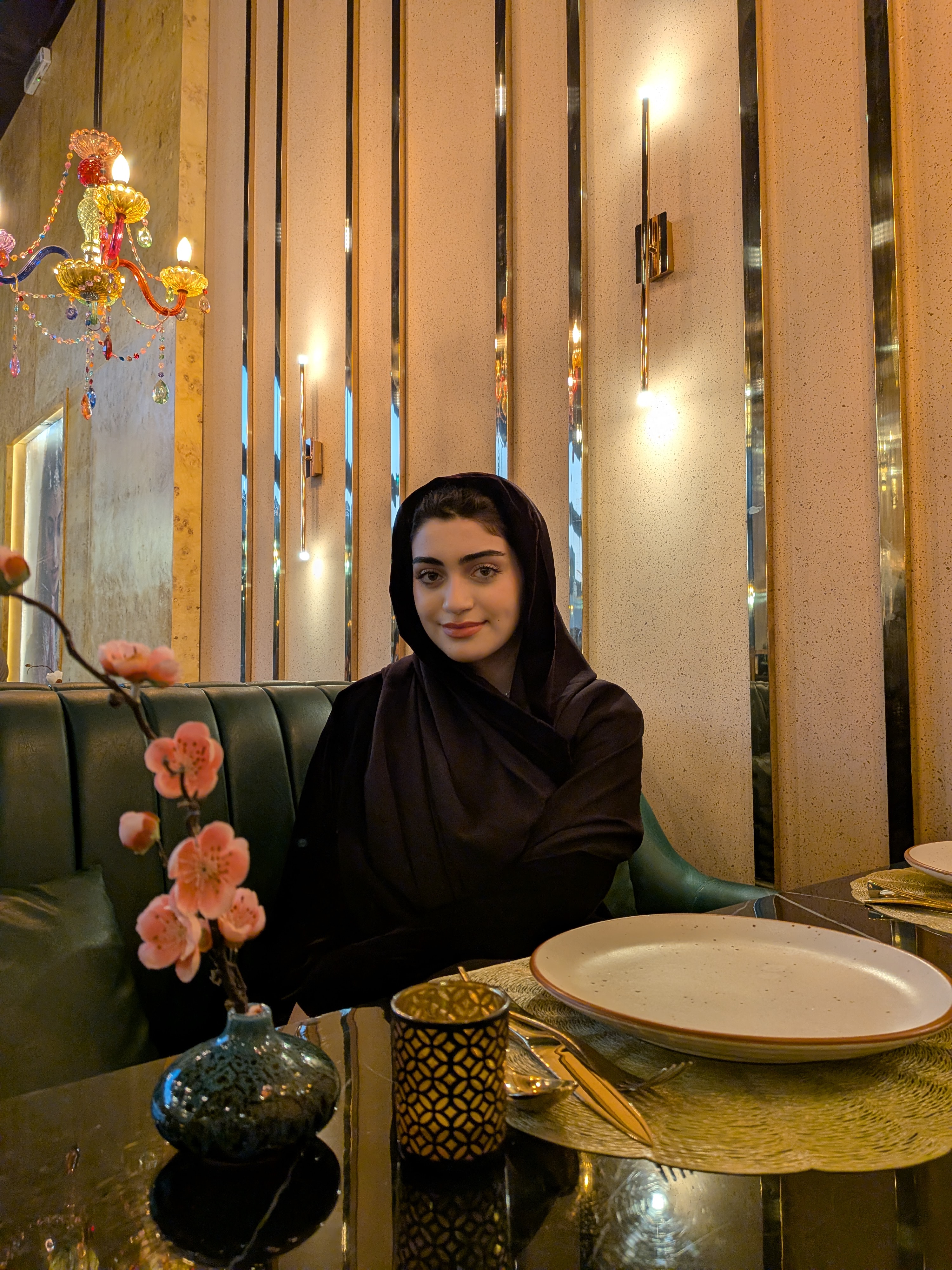
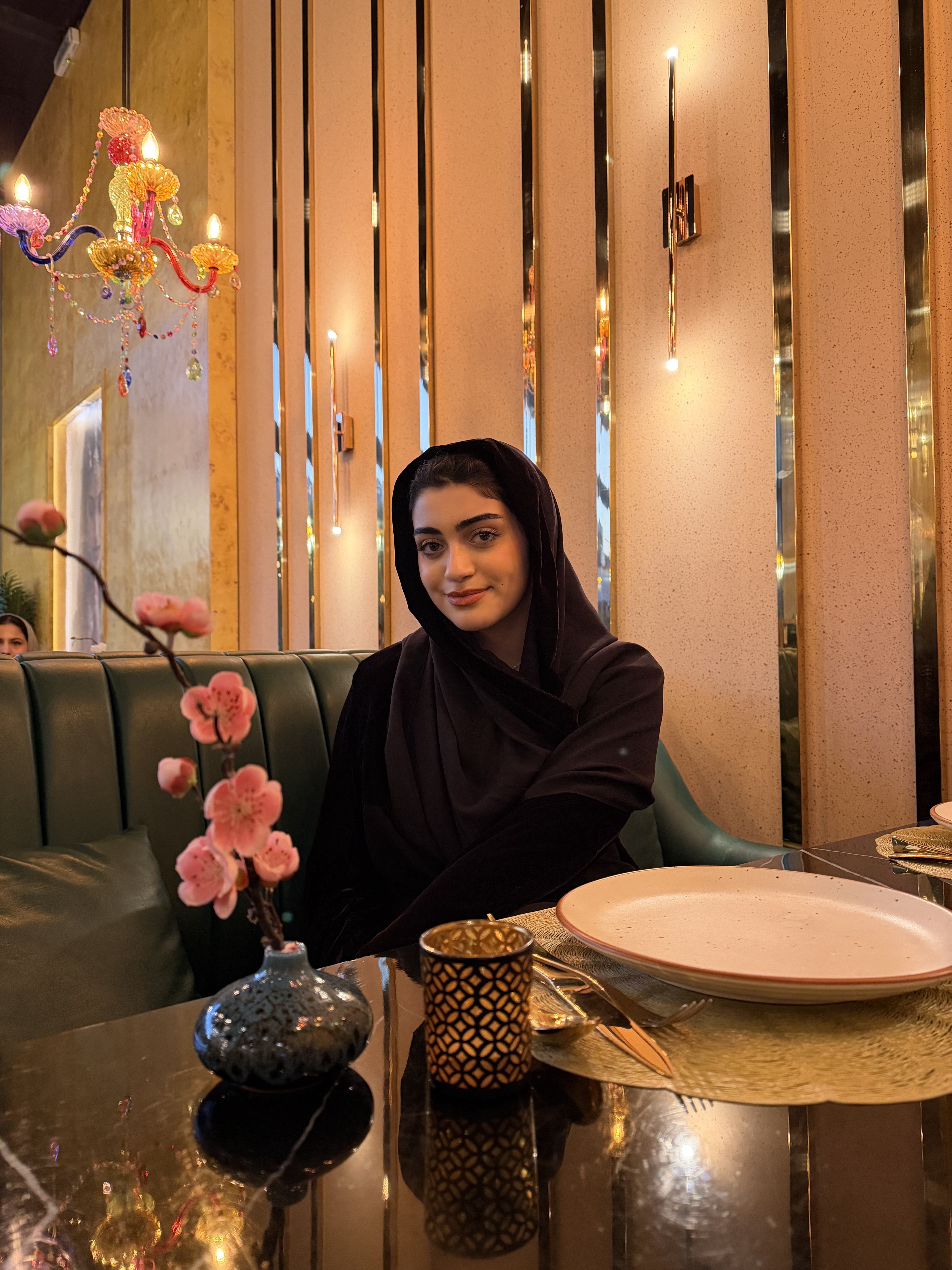
In this specific context, for Indoor scenes, we observe that the Tecno Camon 50 Ultra 5G stood out, being the most preferred device from the consumer surveyed. In this study, it was preferred 63% of the time in indoor conditions, making it the preferred device among the tested ones.
Consumers highlighted its ability to deliver vivid yet faithful colors, while preserving luminous skin tones in complex indoor lighting, an area where many competing devices still struggle.
In lowlight, user ‘s are still used to higher image degradation, and it might affect their expectations. Overall devices show high variations of rendering between smartphones model and some failures with exposure strategy. With all the challenges of exposure, noise reduction, etc related to low light photography, smartphones are forced to do some trade-offs that limit the capacity to produce natural and saturated colors and skin rendering. A wide margin for improvements remains to shoot natural and pleasant portraits in low light conditions.
The impact of brightness and contrast on user perception & preferences
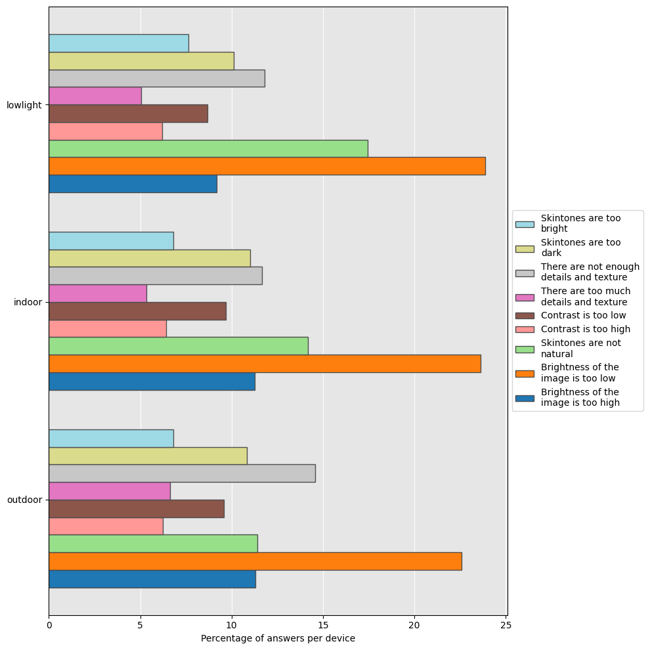
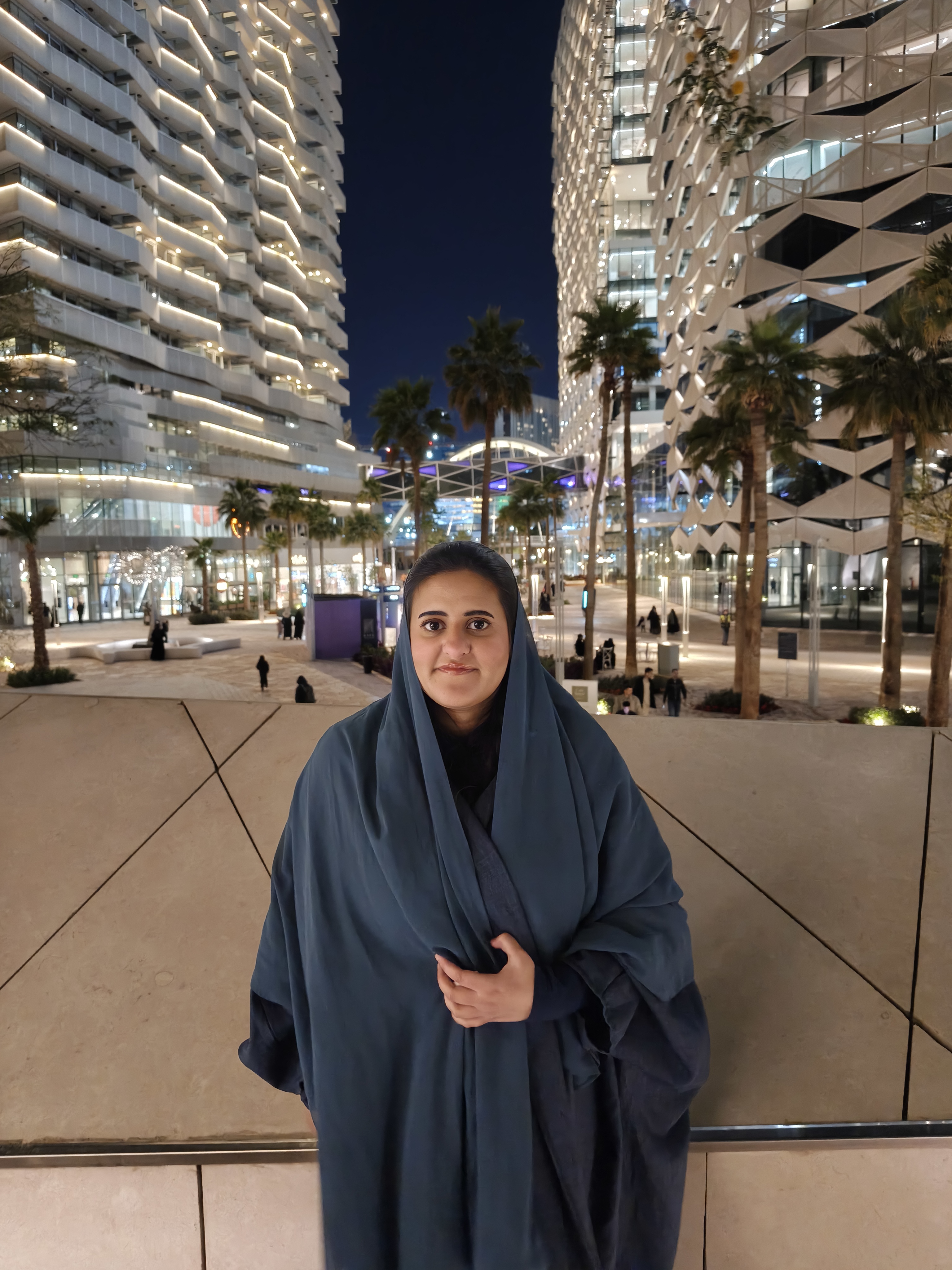
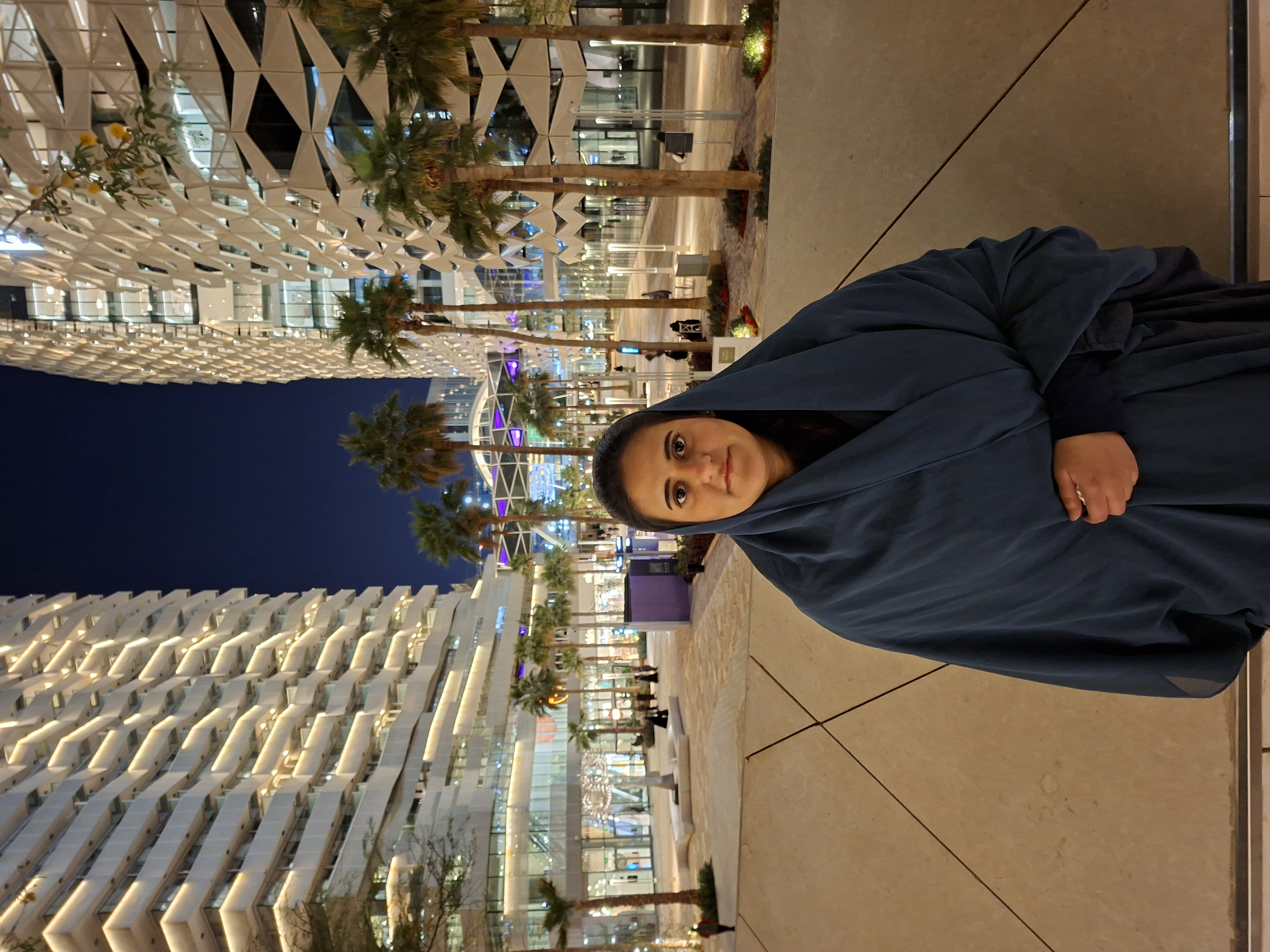
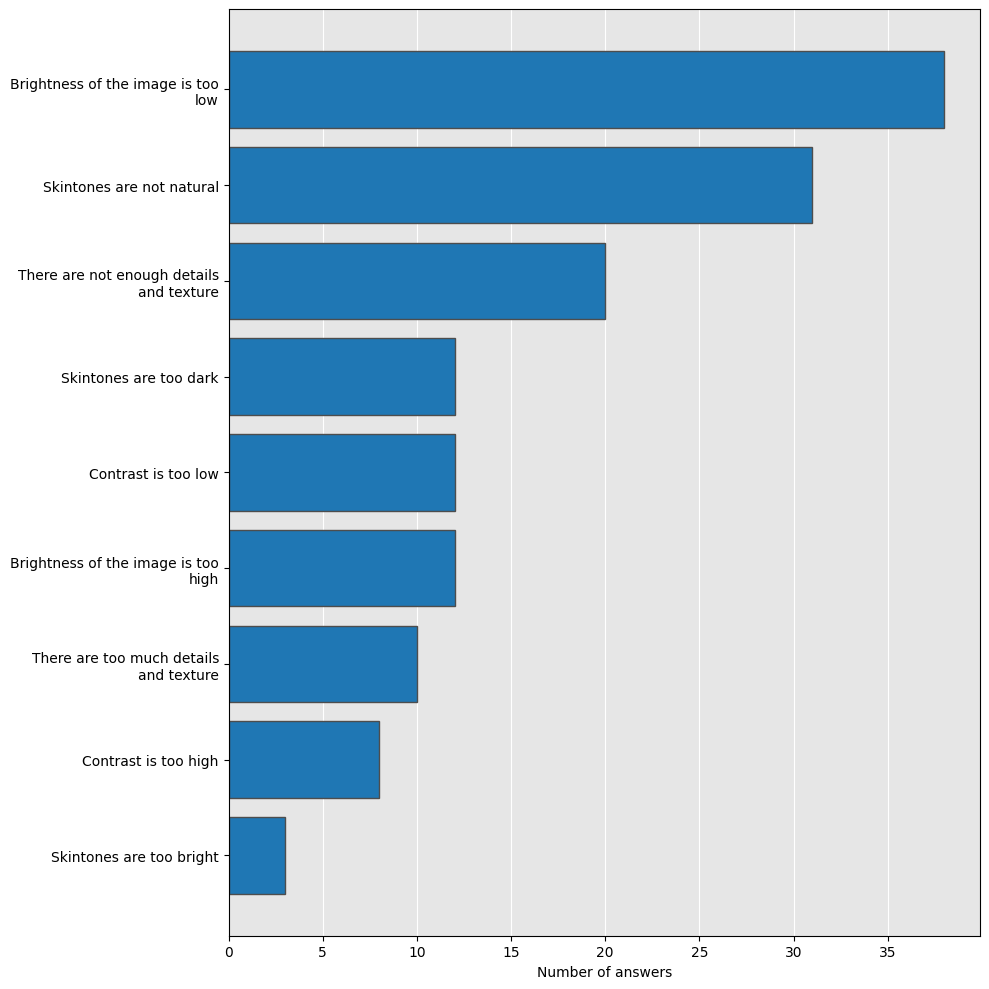
Brightness level is one of the strongest drivers of user preference. Consumers consistently favored images that were neither too bright nor too dark, emphasizing the importance of balance.
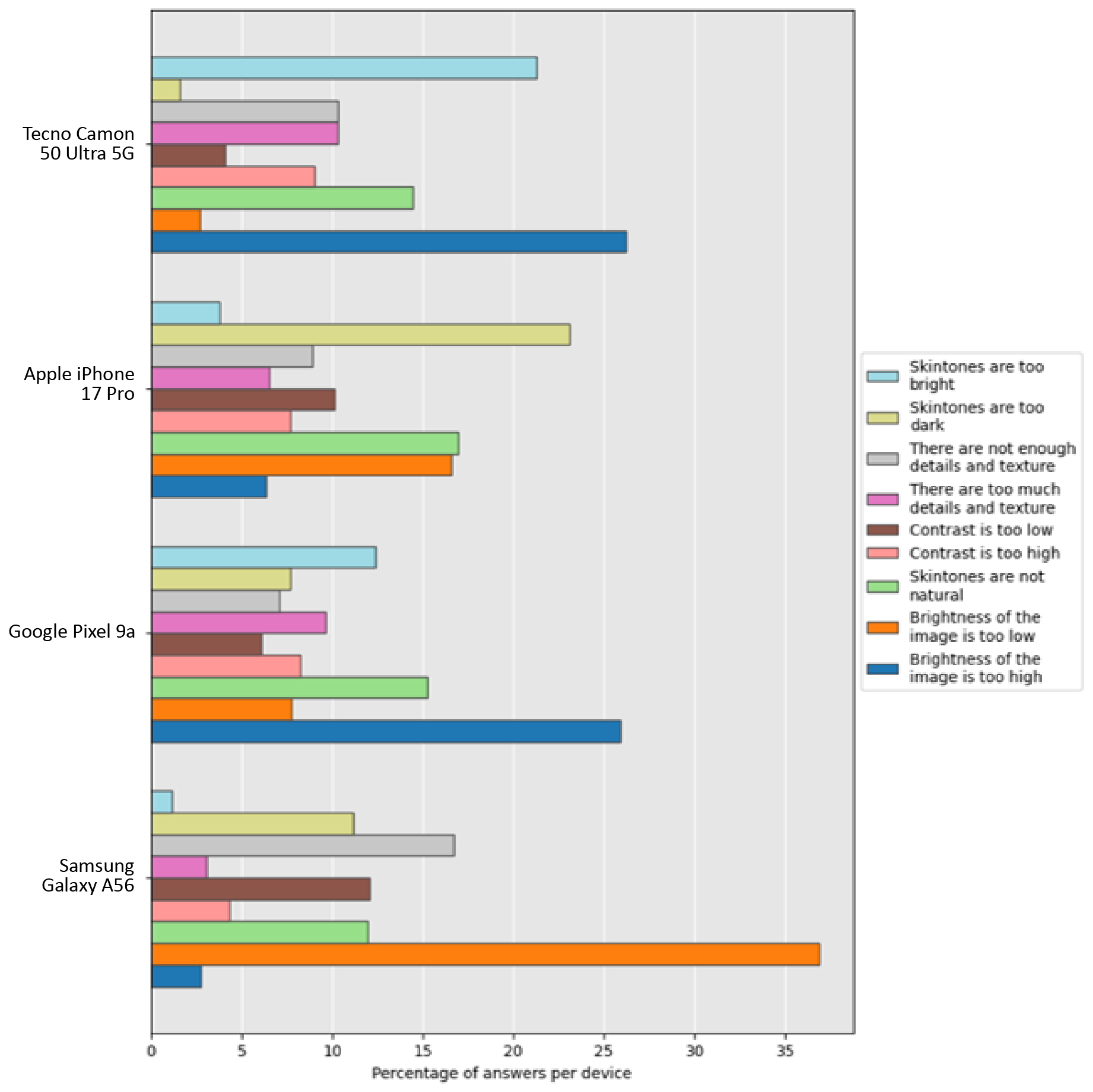
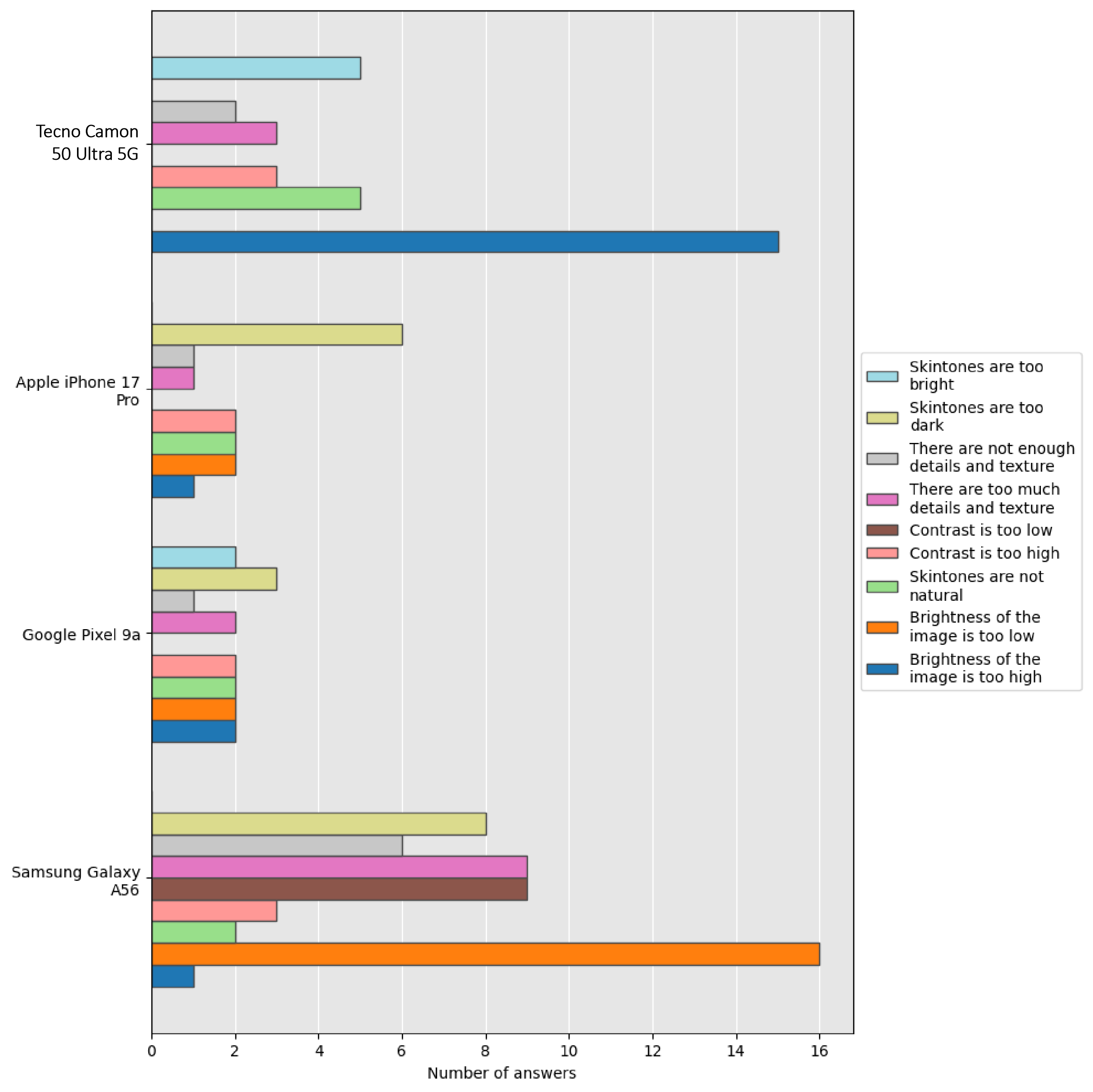
This was particularly visible for the Samsung Galaxy A56, which suffered from a high number of rejections due to too low brightness on the face. For the iPhone 17 Pro, the most frequent rejection reason was that faces were sometimes appearing too dark.
On the other hand, in some cases, when the Tecno Camon 50 Ultra 5G device delivered a too high brightness, it was one of the top rejection reasons.



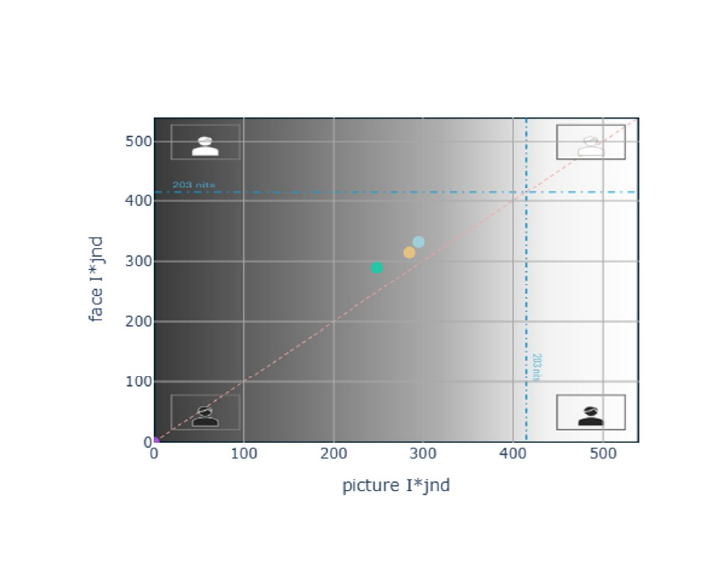
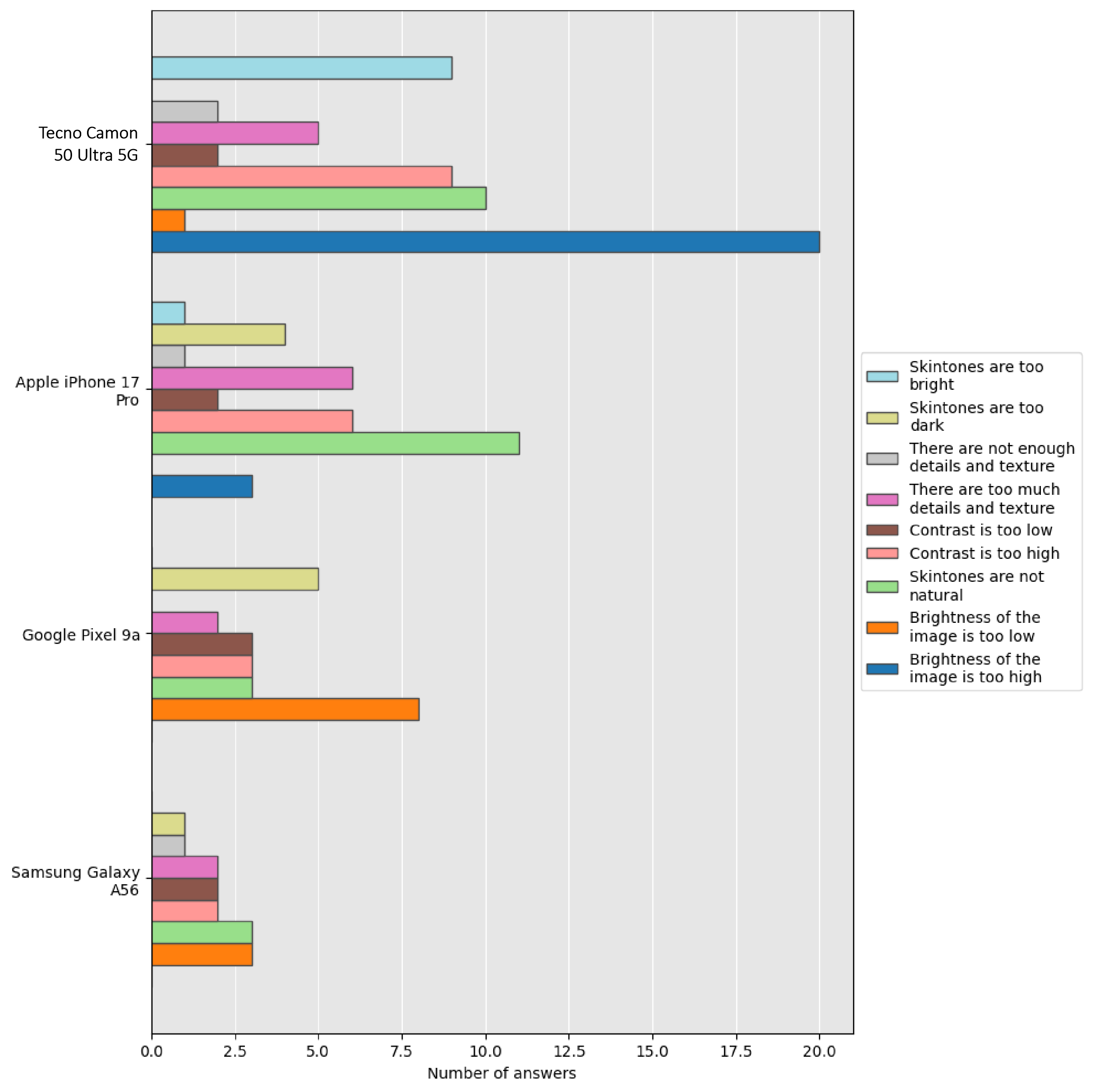
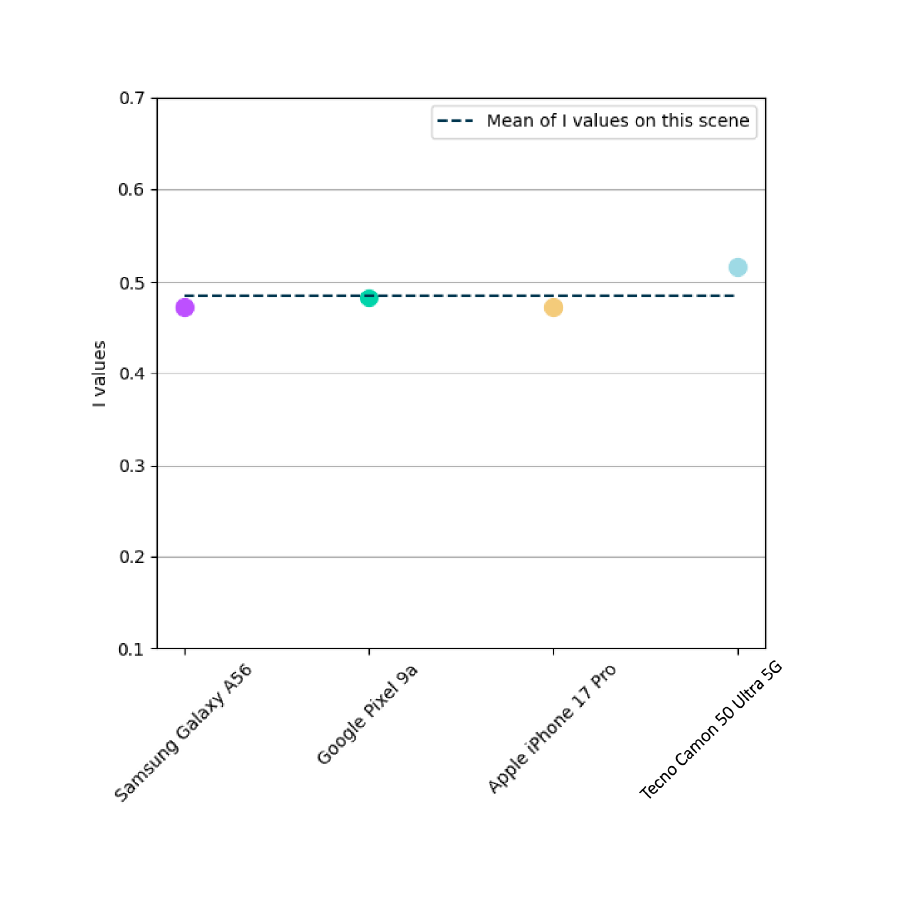
When the face and background are too bright, the result can be a loss of information and visible clipped area on face. This is even more impacting when it is related to strong global contrast of images and that bright part are facing deep shadowed area. details and overall contrast perception. The bright areas can be too bright in some examples leading to some slight clipping on the face.



Conclusion
This DXOMARK Insights study highlights the importance of portrait rendering, balanced brightness, and robust performance in challenging lighting conditions. It also reinforces the value of consumer-centric evaluation methods in understanding not just how cameras perform but how they are truly perceived.
As smartphone imaging continues to evolve, aligning technical choices with real user expectations will remain a key differentiator for manufacturers aiming to deliver meaningful and satisfying photography experiences